
Alcohol Can Increase the Risk of Esophageal Cancer by 400 Times!?
Updated: April 6, 2026
Some people tend to drink alcohol almost every day after work or during holidays. The reason is simple–it's refreshing, fun, and delicious. But is it really all right to drink every day? They say that moderate drinking is good for the body, but many people are not aware that excessive alcohol use can increase their risk of cancer as well as heart failure. This makes it important for you to know how much alcohol is too much.
In the past, we featured an article entitled "Esophageal Cancer: What You Need to Know" explaining that facial redness due to excessive alcohol intake can increase the risk of esophageal cancer (or oesophageal cancer) by up to 70 times. However, we have found that there is another risk factor that can multiply the risk of esophageal cancer by 400 times!

Acetaldehyde Is a Carcinogenic Substance That Can Increase Your Risk of Esophageal Cancer
Acetaldehyde is a known carcinogenic substance that can lead to esophageal cancer. It is produced when alcohol is metabolized in the liver. Acetaldehyde is actually more toxic than alcohol itself and is responsible for causing hangover symptoms. In fact, it is also a carcinogen because it can hinder a cell's natural ability to repair itself.
Acetaldehyde can spread throughout the body through the bloodstream. However, healthy individuals are protected from it because the body produces an enzyme called aldehyde dehydrogenase-2 (ALDH-2), which breaks down acetaldehyde into acetic acid, a practically harmless substance.
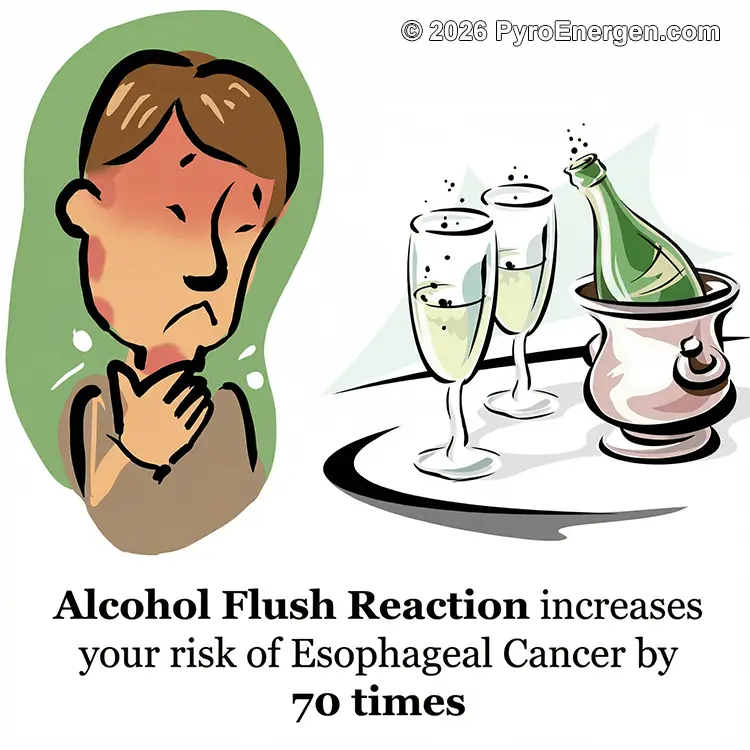
Some people, though, have genetically weak or insufficient ALDH-2 enzymes, making their esophagus more susceptible to acetaldehyde damage. Additionally, high levels of acetaldehyde in the body cause capillary dilation, leading to the "alcohol flush reaction" or facial redness, especially common among people of Asian descent. That is why research suggests that people who experience facial redness after drinking alcohol are at risk of developing esophageal cancer by as much as 70 times.
However, a new discovery in Japan shows that people who drink large amounts of alcohol and still do not show facial redness are 400 times more likely to develop esophageal cancer! How can this happen?
No Facial Redness Even After Drinking a Lot of Alcohol? Beware!
If a person's face doesn't turn red after drinking alcohol, why does the risk of cancer suddenly increase by 400 times? It should mean that alcohol and acetaldehyde are being metabolized properly, right? Wrong! In fact, it's the complete opposite—the body can't metabolize either alcohol or acetaldehyde effectively!
Here's what happens: When the liver struggles to break down alcohol, it remains in the body and circulates in the bloodstream. It also leaves the body through bodily fluids like saliva. The problem lies in your mouth. The liver isn't the only source of acetaldehyde. The oral bacteria in your mouth also metabolize alcohol into acetaldehyde, which then passes rapidly through the esophagus.
On the other hand, even if the liver can't break down alcohol quickly, it will do so gradually over time. The face may not appear red, but acetaldehyde will still be produced continuously throughout the body.
If you don't experience hangover symptoms or facial redness after drinking but still reek of alcohol the next day, you may be the type of person who is 400 times more likely to develop esophageal cancer.
Protect Your Health With Early Detection!
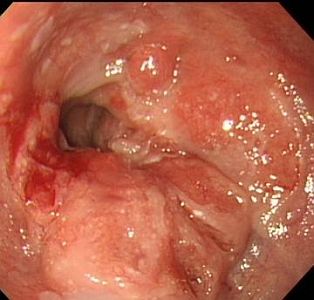
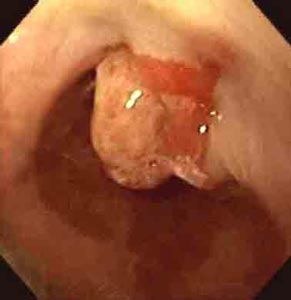
Chest pain and difficulty swallowing are some of the most common symptoms of esophageal cancer. However, early-stage esophageal cancer is very difficult to detect because it often shows no obvious symptoms.
One of the known methods for detecting early-stage esophageal cancer is using an iodine solution. If you are a heavy drinker, we advise consulting your doctor for an in-depth diagnosis.
Risk Classification of Esophageal Cancer (4 Types)
Drinking too much alcohol can increase the risk of esophageal cancer, but the magnitude of risk varies from person to person. Below, we classify the risks into four types.
Of course, we highly advise limiting your intake of alcoholic beverages, even if you fall into the low-risk category.
Note: The data below are theoretical but can serve as a guide to determine your risk of developing esophageal cancer if you consume excessive amounts of alcohol daily (rice wine, in this case). In this data, one serving of rice wine is equivalent to 180 ml.
Type 1 (No change in skin complexion and no hangover symptoms)
Risk when drinking 3 or more servings every day: 15 times
Description: The person's body can properly metabolize acetaldehyde and alcohol. People in this category can be considered "heavy drinkers", meaning their bodies are already dependent on alcohol to function normally.
Type 2 (Hangover symptoms and facial redness occur)
Risk when drinking 3 or more servings every day: 70 times
Description: The person's body can metabolize alcohol properly but cannot break down acetaldehyde.
Type 3 (No hangover symptoms, no changes in skin complexion, but reeking of alcohol the next day)
Risk when drinking 3 or more servings every day: 400 times
Description: The person's body has weak metabolism of both alcohol and acetaldehyde. Since acetaldehyde is produced gradually, facial redness may not be obvious.
Type 4 (No hangover symptoms, no changes in skin complexion, but reeking of alcohol the next day)
Risk when drinking 3 or more servings per day: 50 times
Description: The person's body has weak alcohol metabolism but can properly convert acetaldehyde into acetic acid. However, due to oral bacteria, acetaldehyde is still produced in the mouth and can quickly pass through the esophagus.
Alcohol and Smoking Are NOT the Root Cause of Cancer
All the information above is merely a scientific explanation to help you understand what happens to your body if you are a heavy drinker.
Still, it is worth noting that not all heavy drinkers develop cancer—even light-to-moderate drinkers can. That is why scientists only say that alcohol is linked to cancer but do not consider it the root cause. The same applies to cigarette smoking.
The correct way to describe it is that alcohol and smoking act as "cancer promoters", increasing an individual's risk of developing cancer or worsening an existing condition, especially if the person has a poor genetic makeup.
What actually happens is that alcohol and smoking can attract external negative energy forces, which are the real root cause of cancer. To learn more about this negative energy, read our information on how the PYRO-ENERGEN electrostatic therapy machine works.
Using the PYRO-ENERGEN machine while limiting or refraining from drinking and smoking will help ensure that you maintain good health and overall well-being.
 Junji Takano is a Japanese health researcher involved in investigating the cause of many dreadful diseases. In 1968, he invented PYRO-ENERGEN, the first and only electrostatic therapy machine that effectively eradicates viral diseases, cancer, and diseases of unknown cause.
Click here to find out more: https://www.pyroenergen.com/
Free health newsletter: https://www.pyroenergen.com/newsletter.htm
Reprint Rights: You may reprint this article within your website, blog, or newsletter as long as the entire article remains the same as well as the “About the Author” box.